Building a safer, more inspiring internet for Canadian teens
October 14, 2026
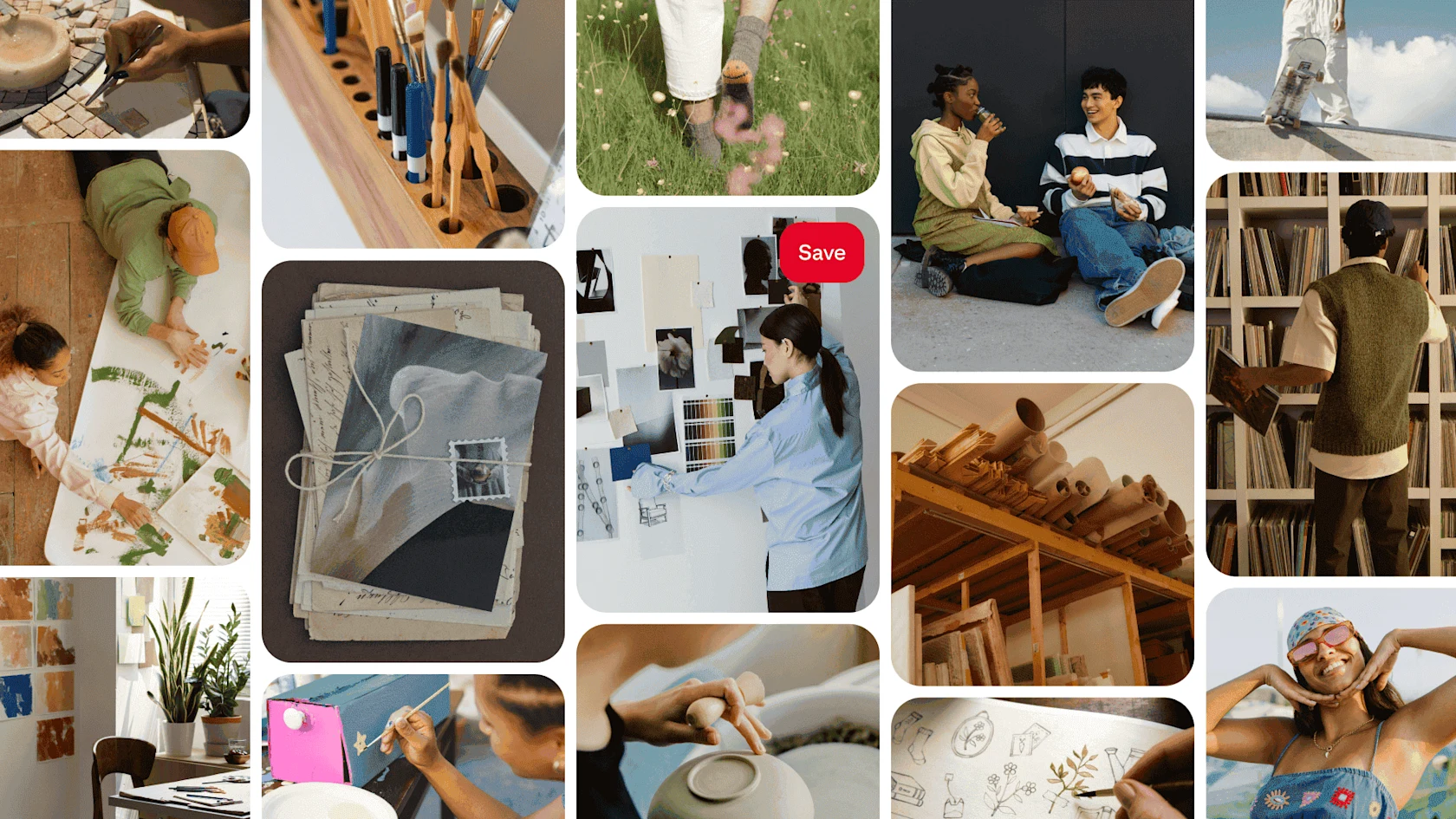
Pinterest IRL: Building a safer, more inspiring internet for Canadian teens
The Great Unplugging isn’t about abandoning the internet. It’s about finding online experiences that give people a reason to go offline. That’s the idea behind Pinterest’s partnership with RALLY 2026, Canada’s flagship digital wellness festival for youth. On October 14, 2026, Pinterest will join more than 3,000 Grade 9–12 students, educators, and policymakers at Meridian Hall in Toronto to explore what healthier, more intentional technology use can look like.
New Pinterest research shows that in Canada, people pick up their phone or open their laptop with a specific purpose 62% of the time,1 the highest rate among the markets studied. Yet 46% of the time,1 they say they get pulled into scrolling unintentionally. They also report losing track of time they did not mean to lose and feeling that platforms make it difficult to leave.
The answer is not simply to disconnect. When people escape passive scrolling, they redirect that time into action: making, moving, planning, creating and showing up for the people around them.
Pinterest is designed for that kind of online experience. Unlike traditional social media feeds built for passive scrolling and endless algorithms, Pinterest is a visual search and shopping platform that helps people turn inspiration into real-world plans. Eight in 10 monthly Pinterest users say Pinterest “encourages them to try something new.2”
“RALLY is helping young people imagine a healthier relationship with technology, and Pinterest is proud to show what that can look like in practice by inspiring people to create, connect and do more offline,” said Richard Santoro, VP and Head of Public Policy at Pinterest. “At RALLY, we’re giving students meaningful paths to pursue after they put their phones down: turning digital inspiration into real-world ideas they can make, share and take with them.”
Bringing inspiration off-screen: The RALLY activation
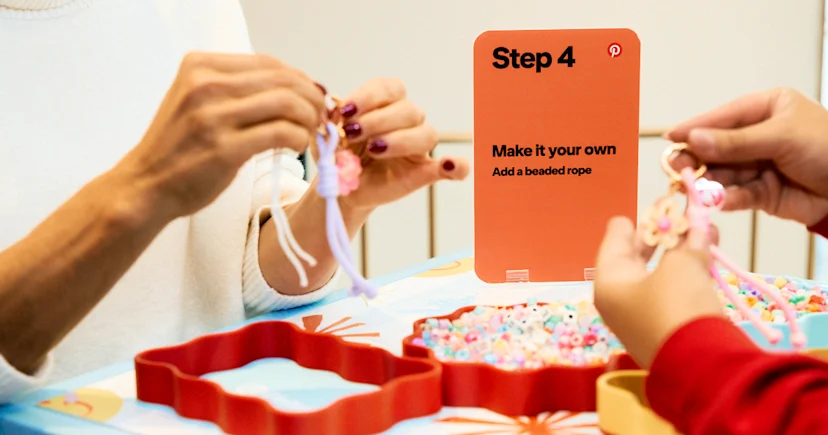
At RALLY, Pinterest will host an interactive pop-up designed to demonstrate how digital inspiration like a Pinterest board can become a real-world experience. Attendees will create custom bag charms, write physical manifestations to build a wall of inspiration, and take photos with their classmates that will be printed and framed to enjoy looking at daily, off a screen.
"Last year, 57% of teens told us RALLY changed how they think about their phone and social media," said Keith Wallace, Co-Founder of RALLY. "Teens don't need another lecture about screen time. They need partners who meet them where they are, and Pinterest is doing exactly that by helping students turn inspiration into something real."
A space to discover, not perform
Canadian Gen Z are looking for more control over how technology shapes their lives. Seventy-six percent say they wish platforms helped them discover their own taste instead of directing them toward what is popular with others. Eighty-two percent say it is important to have a space to explore their tastes and preferences free from outside opinions and influences.3
Pinterest is built for personal exploration and active, purposeful engagement. Teens over-index heavily on intentional behaviors such as saving ideas (+64%), searching for inspiration (+44%), and organizing boards (+68%) compared to adults.4 While much of the internet pushes teens to focus on their outward appearance, Pinterest is where they go to cultivate their inner worlds. They explore creative pursuits, from drawing references and anime styles to sketch tutorials and photography poses, as well as personal spaces like phone wallpapers and bedroom decor; teens search for art 1.26 times more than other age groups.4

Designed for intentionality and wellbeing
Pinterest also builds youth safety into the product:
Accounts for teens ages 13–15 are private
Messaging for teens ages 13-15 is limited to mutual followers
Comments are off by default for teen users
We have also built in a number of parental controls protected by Parental Passcode, helping caregivers better manage personalization and social settings for their teens.
Pinterest launched the distraction-free school hours nudge in Canada in 2025 and it’s been continuously rolling out globally. The feature encourages teens to put their phones down during school hours to focus on learning.
These choices reflect a broader commitment to helping young people use technology with more intention. In Canada, 87% of people support phone restrictions in K–12 schools, up from 81% last year.5
“Teens aren’t coming to Pinterest to perform for an audience or share filtered photos,” said Richard Santoro, VP and Head of Public Policy at Pinterest. “They’re using it to discover what they love, shape their own points of view and transform inspiration into a life that feels more purposeful, creative, and authentic.”